
SBA Loan Application Step by Step Process Explained
The SBA loan application process becomes easier to manage when each stage is clear. You prepare the documents requested for your transaction, apply through a participating lender, complete underwriting and any required SBA review, and then satisfy closing conditions if approved. Timing varies; our detailed timeline guide explains SBA loan timing considerations, based on the SBA loan process timeline.
But here is the reality. Missing, inconsistent, or transaction-specific information can create delays or underwriting questions. Preparation helps, but lender credit policy, eligibility, and closing conditions also matter.
Step by Step Explanation
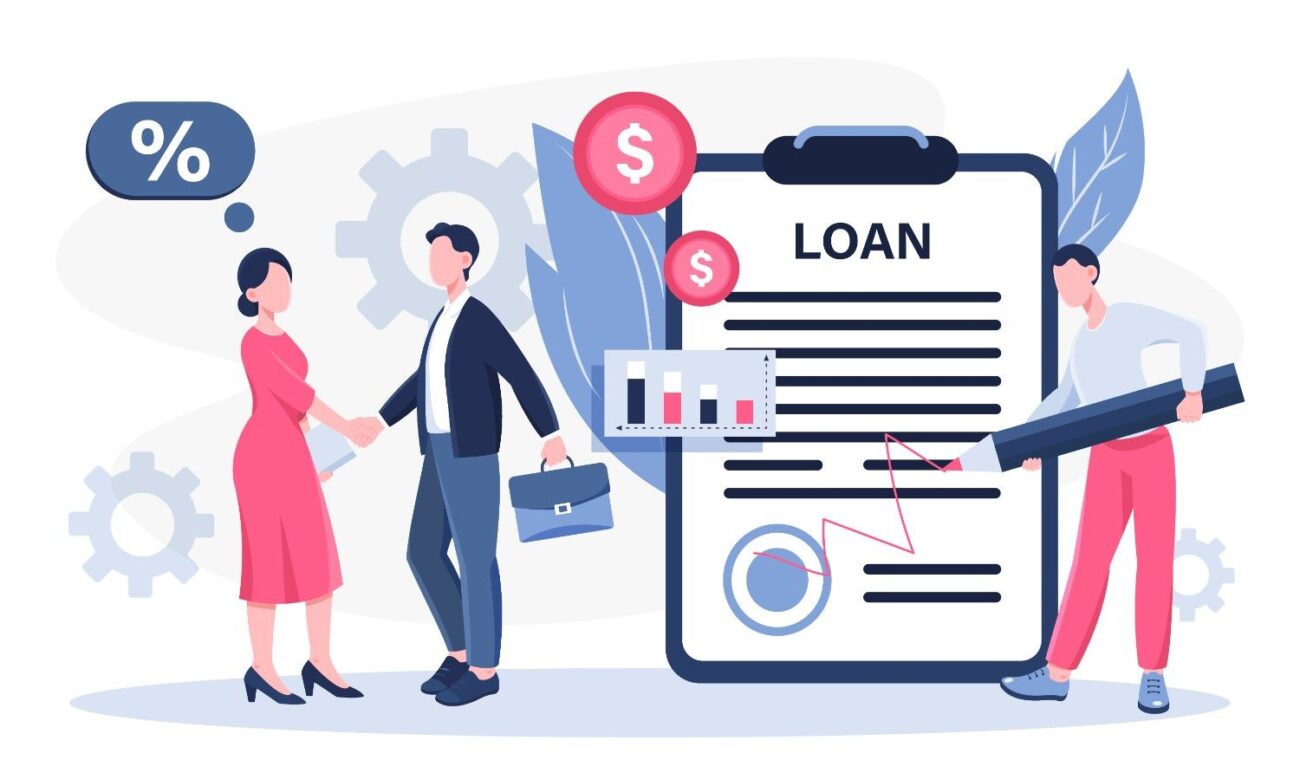
Step 1: Check If You Are Ready to Apply
Follow this SBA Loan Application Step by Step Process to maximize your chances of approval.
Before anything else, ask yourself one thing. Is your business ready?
You should have:
- A US based business
- A clear reason for the loan
- A decent credit score
- Basic financial records
Many business owners rush this step. That is where problems begin.
If you are unsure, check your eligibility first. It saves time and avoids rejection.
Step 2: Get Your Documents Ready
Here is the simple process:
This step decides how fast your application moves.
Commonly requested items may include:
- Tax returns
- Profit and loss statement
- Balance sheet
- Business plan
- Bank statements
- Debt details
Incomplete or inconsistent documents can delay review, although the exact package varies by lender, loan type, transaction, and processing method.
Clean and clear documents make everything easier.
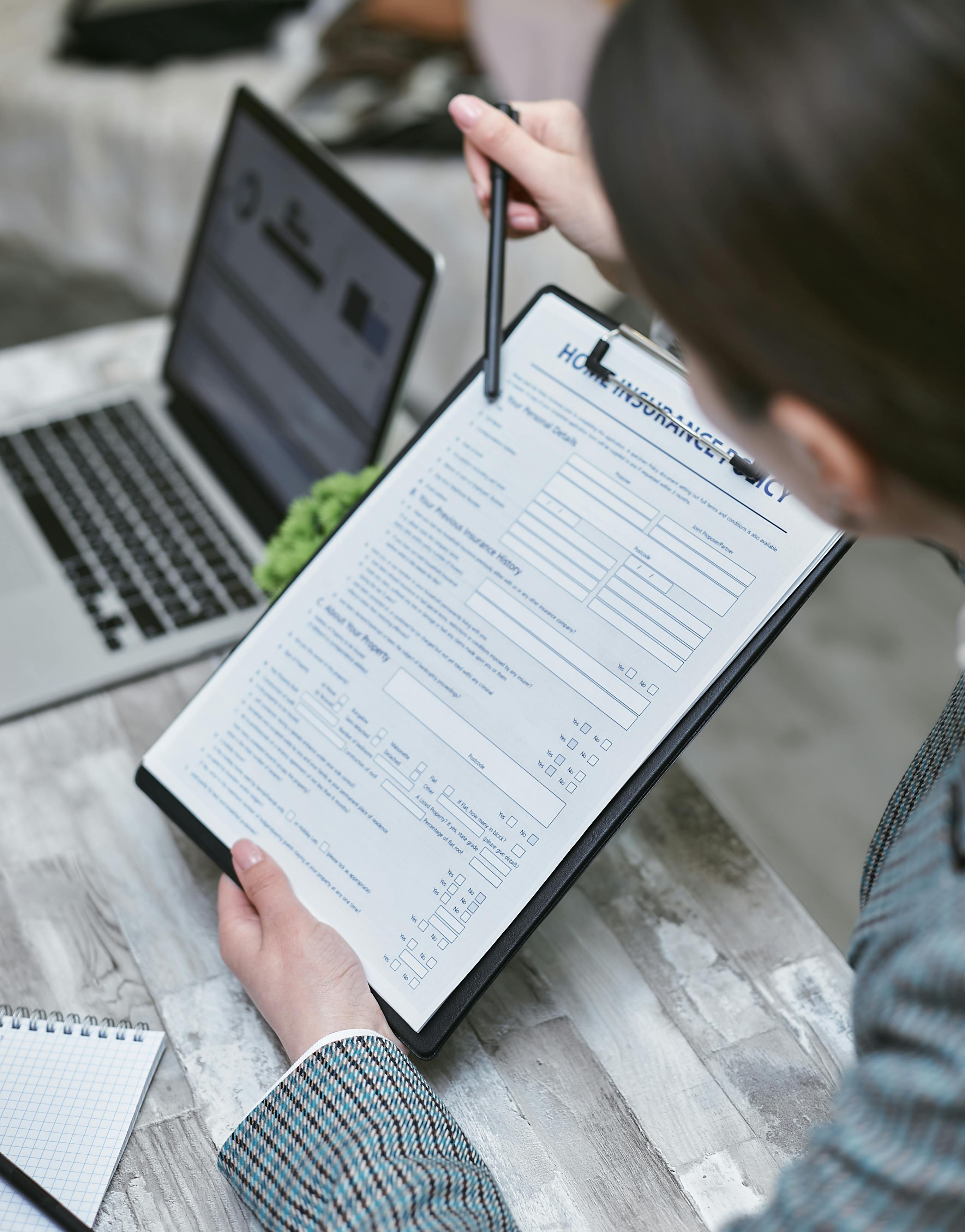

Step 3: Choose the Right Lender
You do not apply directly to the SBA. You apply through a lender.
Not all lenders work the same way.
Some are faster. Some are stricter.
Choosing the right lender can save you weeks in the SBA loan process timeline.
Step 4: Submit Your Application
Now you submit your SBA loan application.
This includes:
- Application form
- Financial documents
- Business details
Make sure everything is correct.
Even small mistakes can slow down the SBA loan approval process.


Step 5: Lender Review
This is where things get real.
The lender checks:
- Your credit score
- Business income
- Cash flow
- Debt
- Risk
In many cases, lenders quickly see if an application is strong or weak.
If something is unclear, they will ask questions.
Respond fast to avoid delays.
Step 6: Lender Credit Decision and SBA Guaranty Process
The lender makes the credit decision.
Depending on delegated authority and the processing method, the lender may issue the guaranty under delegated authority or submit a guaranty request to the SBA.
Timing varies by lender, submission type, and file complexity.
Most problems happen before this stage
Step 7: Loan Closing and Funding
Once approved, you sign the final agreement.
After that, funds are released.
Now you can use the loan for your business needs.
SBA Loan Process Timeline (2026)
Here is what it usually looks like:
- Preparation: timing varies
- Lender underwriting: timing varies
- Closing and funding: timing varies
Total time: varies by lender, program, and transaction
If your documents are ready, it can move faster.
What Slows Down the Process
Most delays happen because:
- Documents are incomplete
- Financial records are unclear
- Credit issues are ignored
- Wrong lender is chosen
Submitting before required information is ready can create avoidable follow-up.
Preparation may reduce avoidable back-and-forth during lender review.
How to Move Faster
You can speed things up if you:
- Prepare documents early
- Keep financials clean
- Check your credit score
- Choose the right lender
- Respond quickly
These small steps make a big difference
Examples
Example 1
Illustrative scenario: a complete file may avoid preventable document delays, but timing and approval still depend on lender underwriting and transaction conditions.
Example 2
Illustrative scenario: missing or inconsistent documents can extend review while the lender requests clarification.
Example 3
Illustrative scenario: a lender experienced with the relevant SBA program may help an applicant understand requirements, but does not guarantee approval.
These examples are illustrative and are not approval or timing guarantees.
Conclusion
The SBA loan application process has multiple underwriting, eligibility, and closing stages. Preparation can help reduce avoidable delays.
Outcomes and timing depend on eligibility, lender underwriting, documentation, transaction structure, and closing conditions.
A complete, consistent file can help the lender evaluate the request; it does not guarantee approval or timing.
Before you apply, take a moment to prepare properly.
You can check your eligibility, organize your documents, and understand the eligibility and documentation issues a lender may evaluate before starting.
Frequently Asked Questions
How do I know if I am ready to start the SBA loan application process?
What is the first step in the SBA loan application process?
What slows down the SBA loan process the most?
How long does each step of the SBA loan process take?
Do lenders reject applications early in the process?
Can I apply for an SBA loan without a business plan?
What happens if the lender asks for more documents?
Can I speed up the SBA loan application process?
Should I apply with multiple lenders at the same time?
What should I double check before submitting my application?
Continue Your SBA Research
Continue with the guidance most relevant to your next decision: