
SBA Loan Requirements for Small Business USA
SBA loan requirements are set by the U.S. Small Business Administration and focus on eligibility, not fixed numbers. A business must operate for profit in the United States, meet SBA size standards, show a real business purpose for the loan, meet any transaction-specific equity requirement, and prove it cannot get similar credit on reasonable terms elsewhere. Lenders then review credit history, cash flow, and documents to decide approval. The SBA guarantees part of the loan, but lenders make the final decision.
What Are SBA Loan Requirements?
SBA loan requirements are official conditions defined by the SBA. A business must meet all of these to qualify:
- Operate as a for-profit business in the United States
- Meet SBA size standards based on industry
- Show any applicable equity-injection requirement
- Have a valid business purpose for the loan
- Show need for SBA support (cannot get similar credit on reasonable terms)
These are the actual SBA loan eligibility criteria used across programs like SBA 7(a). See our SBA loans overview.
Step by Step Explanation of SBA Loan Requirements
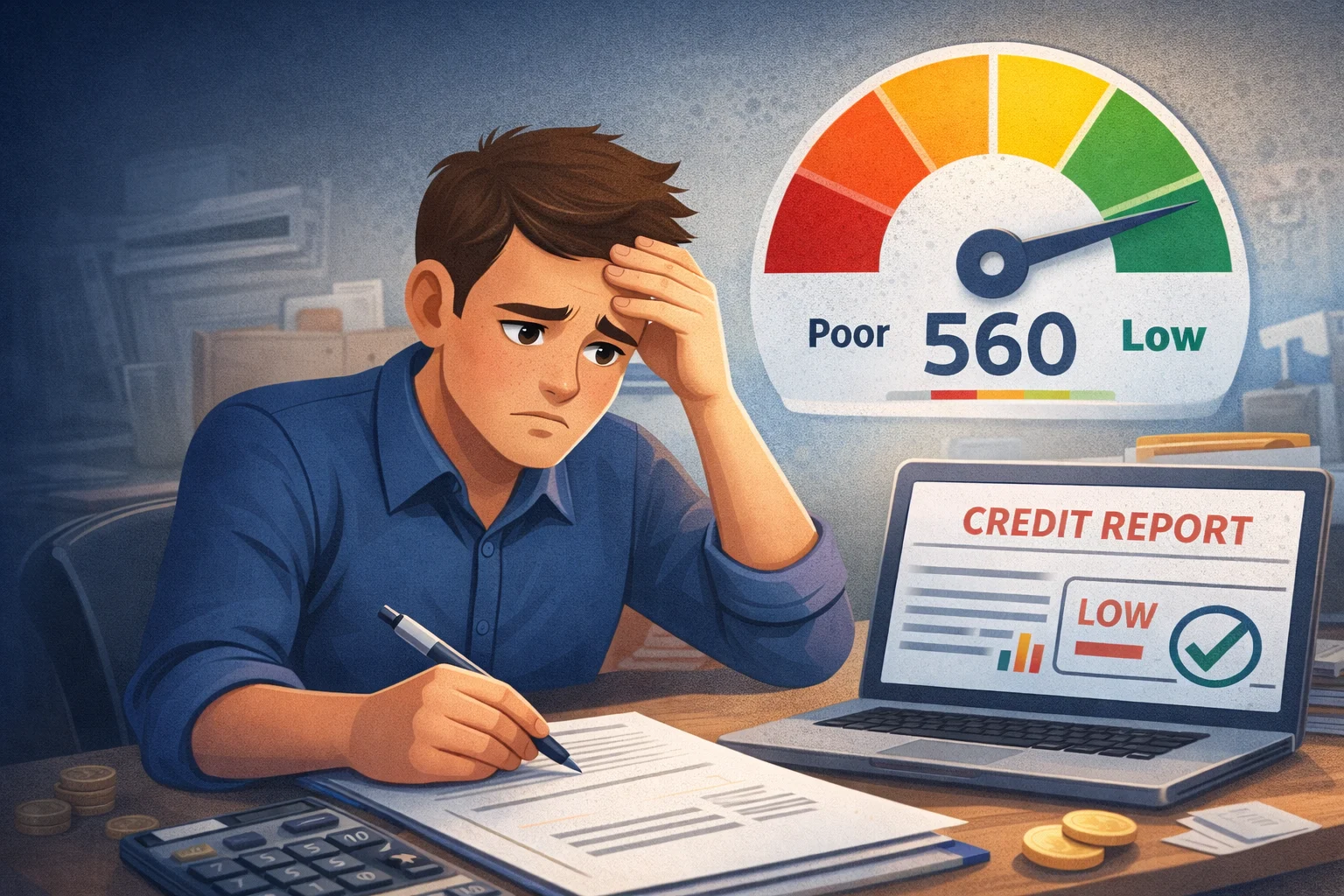
Step 1: Business Must Be Legally Operating in the US
The business must operate legally and comply with applicable registration, licensing, and tax requirements.
Accepted structures:
- LLC
- Corporation
- Sole proprietorship
Example:
A registered LLC filing taxes in the US qualifies.
A business operating without registration does not qualify.
Step 2: The Business Must Be For-Profit
Non-profit organizations are not eligible for SBA loan programs.
Example:
A retail store or logistics company qualifies.
A charity or non-profit foundation does not.
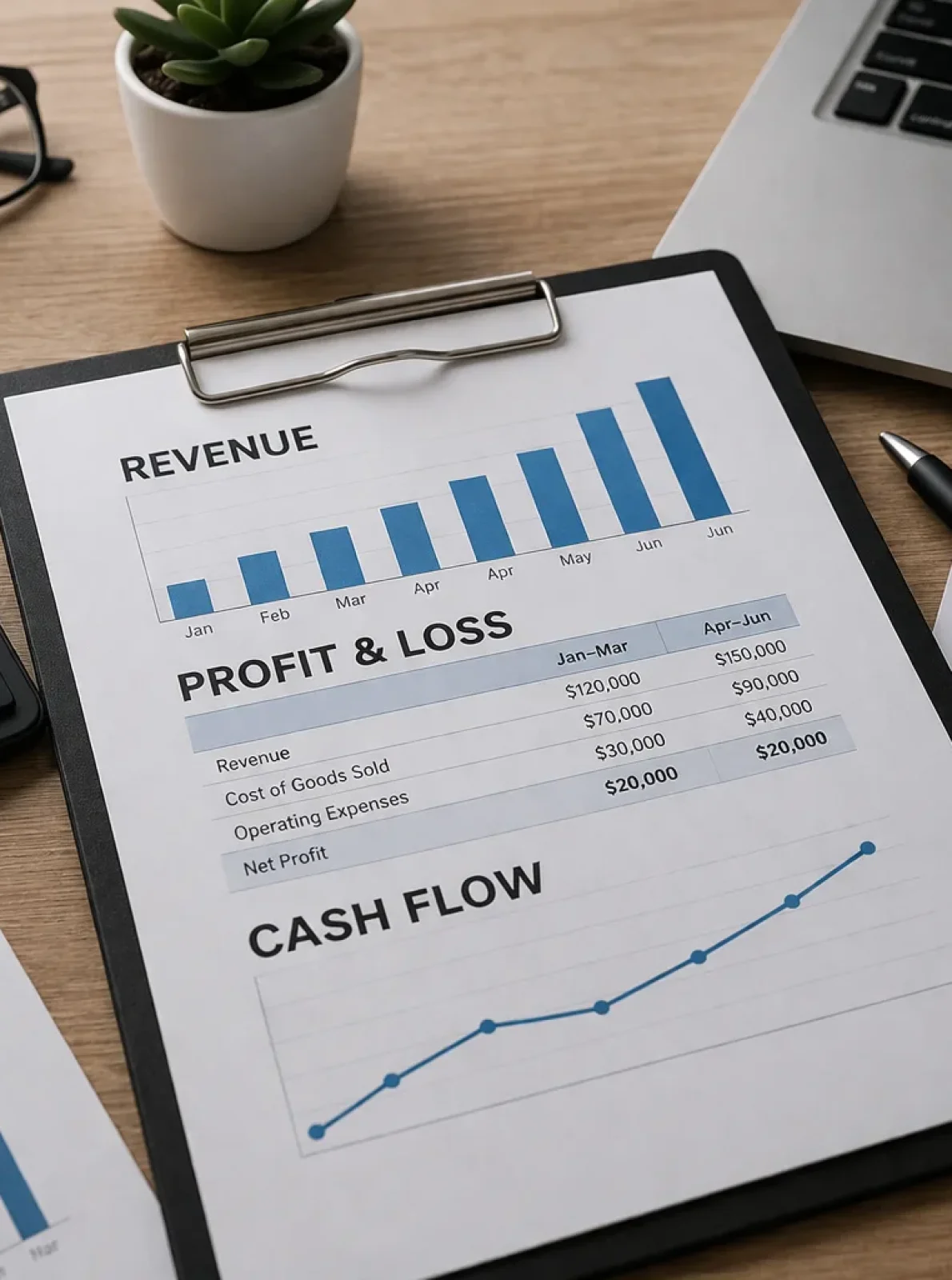

Step 3: Meet SBA Size Standards
The SBA defines “small business” based on industry.
Examples:
- Manufacturing: up to 500 employees
- Many service businesses: based on annual revenue limits
If a business exceeds these limits, it does not qualify for SBA funding.
Step 4: Confirm Any Applicable Equity Requirement
An equity injection may be required for certain transactions, but it is not a universal requirement for every SBA-backed loan.
Example:
The lender will determine whether an equity injection applies based on the program, use of proceeds, transaction, and current SBA rules.
A lack of an equity injection is not automatically disqualifying when no such requirement applies.


Demonstrate a Valid Loan Purpose
The loan must be used for approved business activities.
Approved uses:
- Working capital
- Equipment purchase
- Inventory
- Business expansion
Unclear or undefined use of funds leads to rejection.
Step 6: Show Need for SBA Support
The SBA requires proof that the business cannot get similar financing on reasonable terms without SBA backing.
Example:
A prior bank denial alone does not establish eligibility; the participating lender must document that the desired credit is not available on reasonable terms from nongovernment sources.


Step 7: Lender Evaluation (Credit, Cash Flow, Documents)
After SBA eligibility, lenders review financial strength.
They assess:
- Credit history (no fixed SBA minimum score)
- Cash flow and repayment ability
- Existing debt
- Business performance
Example:
Business earning $12,000 monthly with $3,000 loan payment capacity passes.
Business earning $4,000 with $3,000 obligation fails repayment test.
What Are the Requirements for SBA 7(a) Loan?
The SBA 7(a) loan follows the same core SBA rules with lender-level evaluation.
Key requirements:
- Meet SBA eligibility rules
- Show repayment ability through cash flow
- Provide financial records
- Offer collateral when available
- Sign a personal guarantee (for major owners)
Example:
A business with steady income and documented financials may present a stronger repayment profile, subject to full eligibility and underwriting review.
A business that cannot document repayment ability is unlikely to satisfy lender underwriting.
SBA Loan Requirements Checklist 2026
Use this preparation checklist before applying:
- Business operates legally in the US
- Business is for-profit
- Meets SBA size standards
- Any applicable transaction-specific equity requirement is documented
- Loan purpose clearly defined
- Cannot get similar credit on reasonable terms
- Financial records available for review
- Willing to provide personal guarantee (if required)
Eligibility and underwriting are reviewed case by case, and the lender may request additional information.
What Lenders Evaluate Before Approval
The SBA sets eligibility, but lenders decide approval.
They focus on:
- Ability to repay loan from business cash flow
- Credit history and repayment behavior
- Existing debt obligations
- Business stability
Example:
Stable revenue history may support the lender’s repayment analysis.
Irregular income and high debt may raise underwriting concerns.
Common Mistakes That Lead to Rejection
These issues directly conflict with SBA rules or lender checks:
- Business not meeting SBA size standards
- No clear use of loan funds
- No proof of need for SBA-backed financing
- Weak or unclear financial records
- Insufficient repayment ability
Example:
Applying without showing why SBA support is needed leads to denial.
Timeline and Costs (2026)
Timeline:
- Preparation depends on document readiness
- Lender review varies by application complexity
- SBA involvement depends on loan type
There is no fixed SBA timeline. Processing speed depends on lender and application quality.
Costs:
- SBA loans may include guaranty fees depending on program rules, loan size, maturity, and applicable exemptions
- Interest rates are regulated but set by lenders
- Additional closing costs may apply
Illustrative Examples Based on SBA Criteria
Illustrative Eligible Profile
Business: Construction company
- Meets SBA size standards
- Invested capital: $100,000
- Clear use: equipment purchase
- Stable revenue and documented financials
Illustrative result: the profile may satisfy baseline eligibility, but lender approval still depends on full underwriting.
Rejected Case
Business: Large firm exceeding SBA size limits
- Revenue exceeds SBA threshold
- Applies for SBA-backed loan
Result: Rejected due to ineligibility, regardless of financial strength.
Practical Insight (What Actually Moves an Application Forward)
Applications that clearly show:
- Eligibility under SBA rules
- Defined use of funds
- Clean financial records
may reduce avoidable follow-up during lender review.
Applications missing eligibility proof or financial clarity face delays or rejection.
Conclusion
SBA loan requirements are based on eligibility, not fixed numbers.
A business must meet SBA rules first.
Then lenders evaluate repayment ability and financial strength.
Approval happens only when both conditions align.
Check your eligibility against SBA rules first.Then prepare financial documents and define your loan purpose clearly.
A complete and accurate application can reduce avoidable follow-up, but it does not guarantee approval or a specific timeline.
Frequently Asked Questions
How to qualify for SBA loan in the US?
What documents are required for SBA loan application?
Can a startup qualify for an SBA loan?
How long does SBA loan approval take?
What are SBA loan eligibility criteria?
Do SBA loans require collateral?
Can I get an SBA loan with bad credit?
Continue Your SBA Research
Continue with the guidance most relevant to your next decision: