
Common Mistakes in SBA Loan Application
Most SBA loan applications fail due to avoidable mistakes. The biggest ones include not meeting basic SBA loan requirements, unclear use of funds, weak financial records, and incomplete documents. The U.S. Small Business Administration sets eligibility rules, but lenders reject applications when repayment ability or documentation is unclear. Fixing these mistakes before applying directly increases approval chances.
What Are SBA Loan Requirements (Before You Apply)?
Before looking at mistakes, understand the base rules.
A business must:
- Operate for profit in the US
- Meet SBA size standards
- Show owner investment
- Have a clear business purpose
- Prove need for SBA-backed financing
These are the core SBA loan eligibility criteria. Missing any one leads to rejection before lender review.
Step by Step: Common Mistakes in SBA Loan Application
Mistake 1: Applying Without Meeting SBA Eligibility
Some applications fail at the first check.
Common issues:
- Business exceeds SBA size limits
- Business is not for-profit
- No proof of owner investment
Example:
A company with 700 employees applies under a 500-employee limit → rejected immediately.
Mistake 2: No Clear Use of Funds
Lenders reject vague applications.
Weak example:
- “Business expansion”
Strong example:
- “$90,000 for equipment, $40,000 for inventory”
Clear breakdown connects directly to approval decisions.

Mistake 3: Treating Credit Score as the Only Factor
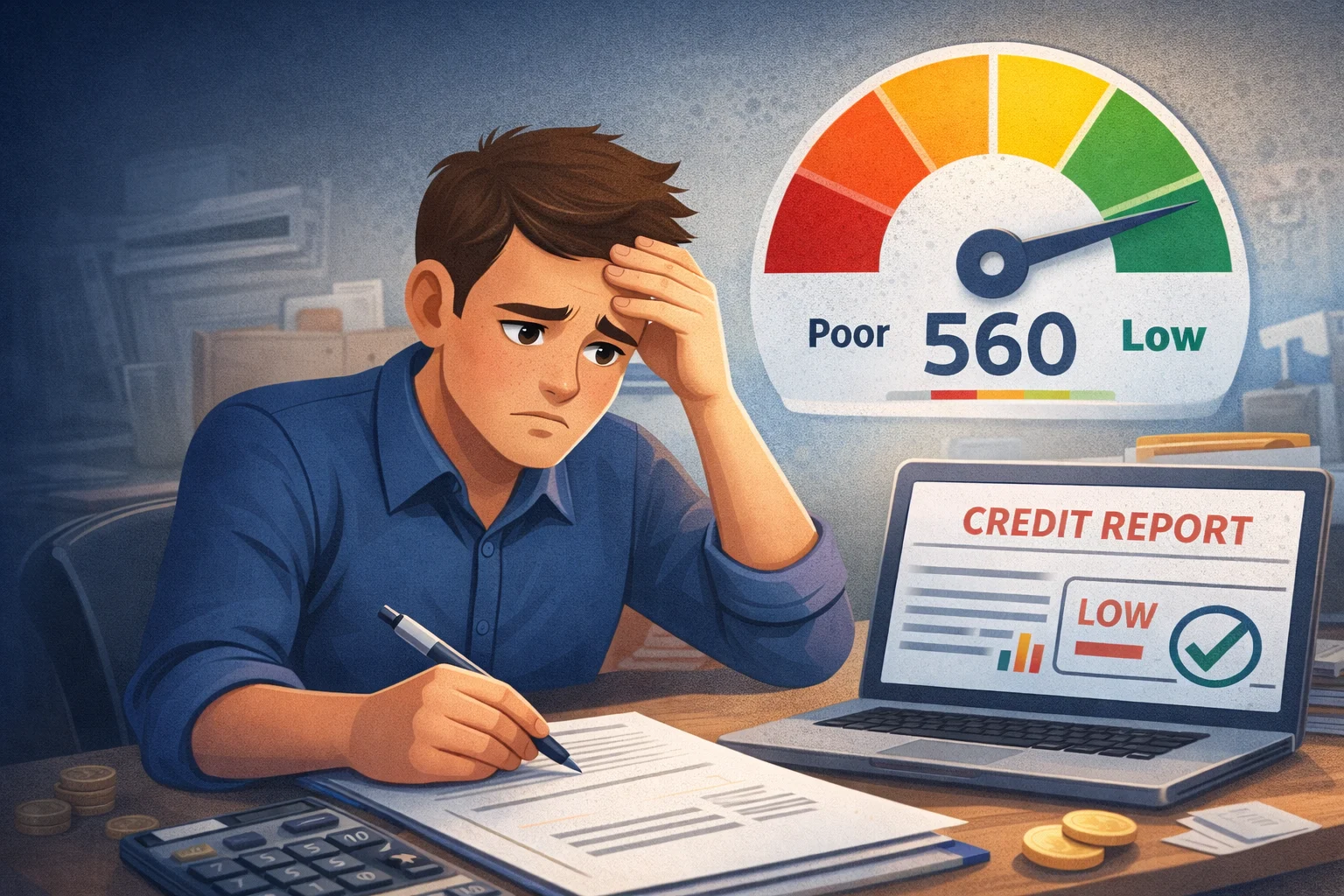
Many applicants focus only on the minimum credit score for SBA loan USA.
Reality:
The SBA does not set a fixed credit score. Lenders review full credit history.
Example:
- Score 700 + weak cash flow → rejected
- Score 640 + strong financials → considered
Credit supports approval, it does not decide it alone.
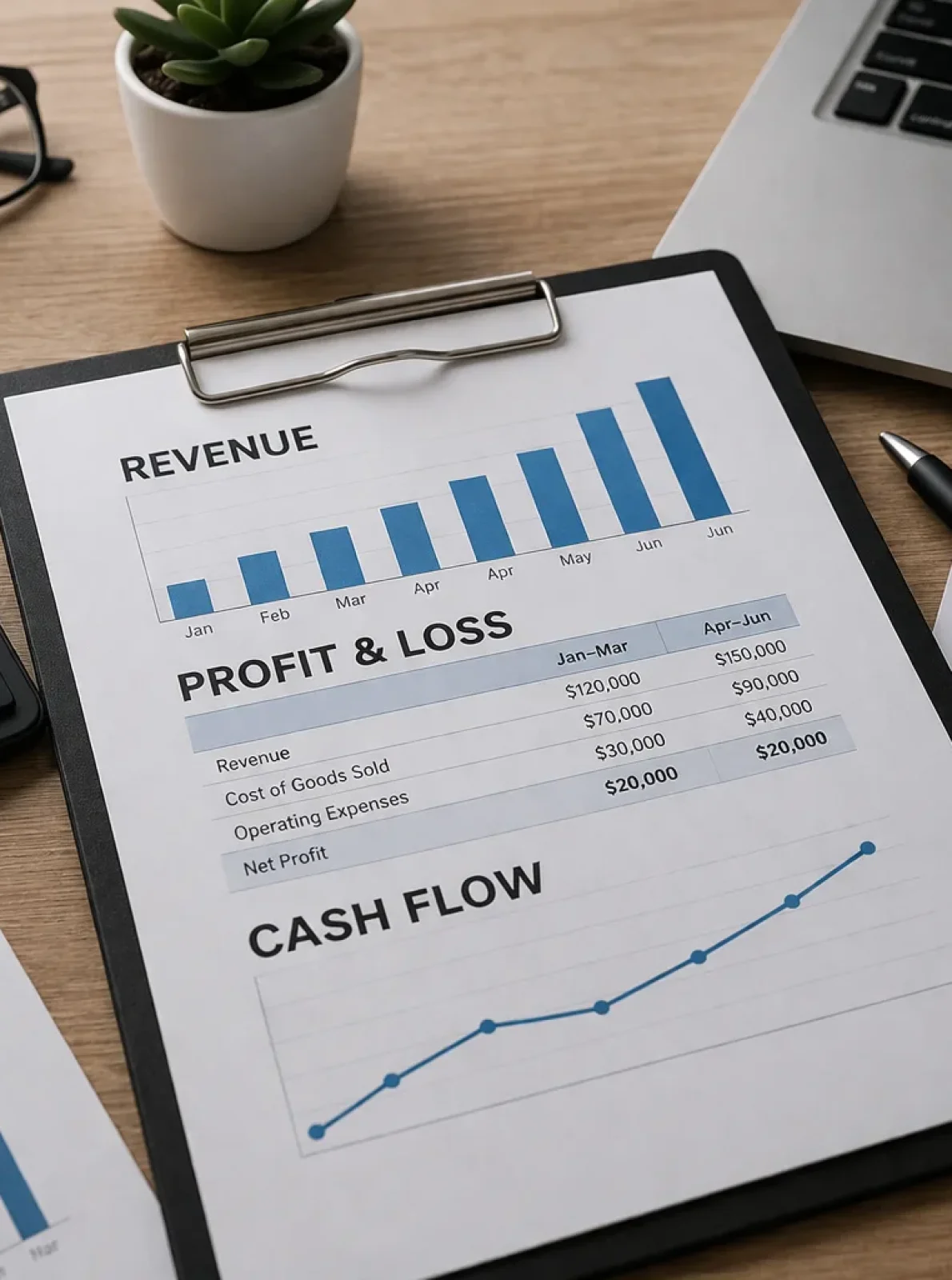
Mistake 4: Weak Cash Flow Numbers
Cash flow directly affects approval.
Example:
Business A:
- Revenue: $50,000/month
- Expenses: $38,000
- Net: $12,000
- Loan payment: $3,000 → approved
Business B:
- Revenue: $30,000
- Expenses: $28,500
- Net: $1,500
- Loan payment: $2,500 → rejected
This is one of the strongest SBA loan approval factors.


Mistake 5: Incomplete Documents
Missing documents stop the process.
Common gaps:
- Missing tax returns
- No profit and loss statement
- Incomplete bank statements
Typical SBA loan documentation list includes:
- Business tax returns
- Personal tax returns
- Financial statements
- Bank records
Incomplete files delay or cancel applications.
Mistake 6: Ignoring “Credit Elsewhere” Requirement
The SBA requires proof that similar credit is not available on reasonable terms.
Mistake:
Applying without showing why SBA support is needed.
Example:
A business qualifies for a standard bank loan but still applies for SBA → rejected under eligibility criteria for SBA loan small business.


Mistake 7: No Owner Investment
The SBA checks if the owner has financial commitment.
Example:
- Owner invests $0 → high risk
- Owner invests $75,000 → stronger approval case
This directly affects small business loan qualifications USA.
Mistake 8: Poor Business Plan With No Numbers
A vague business plan weakens the application.
Weak:
- “We will grow sales”
Strong:
- “Increase monthly revenue from $40,000 to $65,000 in 12 months”
Numbers make the plan measurable.


Mistake 9: Applying Too Early (Startup Gap)
[H3] Mistake 9: Applying Too Early (Startup Gap)
Startups face stricter review under SBA startup loan requirements.
Example:
- No revenue + no projections → rejected
- No revenue + detailed projections + capital invested → considered
Timing affects approval probability.
Mistake 10: Not Understanding SBA 7(a) Loan Requirements
Applicants apply without checking program fit.
SBA 7(a) loan requirements include:
- Meeting SBA eligibility
- Showing repayment ability
- Providing financial documentation
Applying without matching these leads to rejection.
SBA Loan Requirements Checklist 2026 (Mistake-Free Version)
Use this checklist before applying:
- Meets SBA loan eligibility criteria
- Loan purpose defined with exact numbers
- Financial records complete and updated
- Cash flow supports loan repayment
- Owner investment clearly shown
- Reason for SBA loan properly explained
- Documents ready as per SBA loan documentation list
- Business fits SBA size standards
Skipping even one point increases rejection risk.
What Lenders Actually Evaluate
Lenders focus on measurable risk factors:
- Cash flow vs loan payment
- Credit behavior over time
- Existing debt load
- Business stability
Example:
Debt: $6,000/month
New loan: $3,000/month
Total: $9,000
If net income = $8,000 → rejected
If net income = $15,000 → approved
Real Example (Mistake vs Correct Approach)
Rejected Case
Business: Retail store
- No clear loan breakdown
- Missing tax returns
- Weak financial records
Result: Application stopped during review.
Approved Case
Business: Construction firm
- Loan use clearly defined
- Full financial records submitted
- Strong repayment capacity
Result: Moves forward to approval.
Practical Insight (What Changes the Outcome)
Applications with:
- Clear numbers
- Complete documents
- Defined loan purpose
move faster and face fewer objections.
Applications with missing data create delays at every stage.
Conclusion
SBA loan rejection usually comes from preventable mistakes.
Approval depends on:
- Meeting SBA loan requirements
- Showing repayment ability
- Submitting complete and clear documents
Fixing these areas changes the outcome directly.
Review your application before submitting.Check eligibility, organize documents, and define your loan purpose clearly.
A clean application reduces delays and improves approval chances.
