
Why SBA Loans Get Rejected
Most SBA loans get rejected for simple reasons you can fix. The common ones are low credit score, unclear financial records, missing documents, too much debt, or applying too early. In many cases, the business itself is not the problem. The application is. If you fix these gaps before applying again, your approval chances improve a lot.
Step by Step Explanation
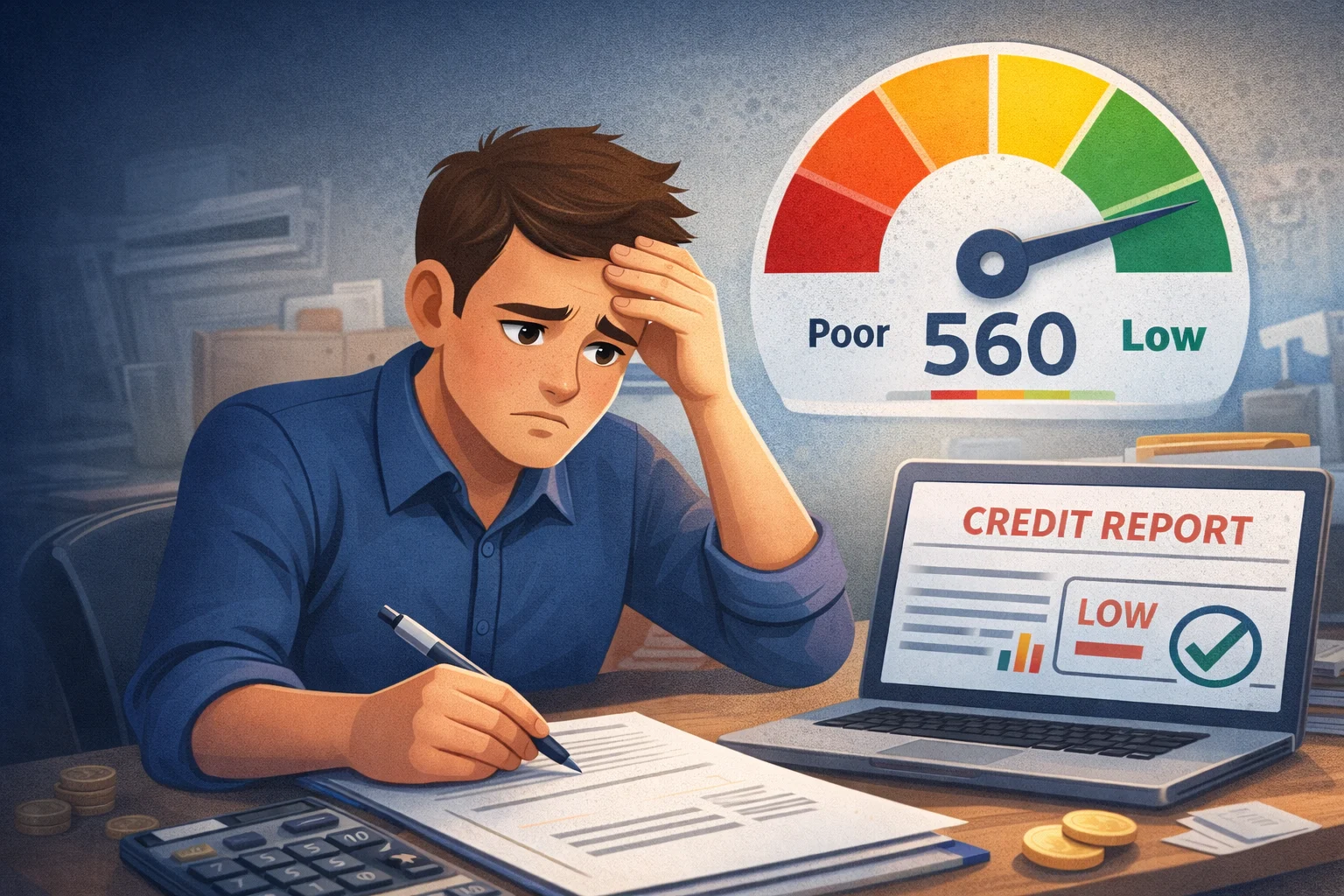
1. Low Credit Score
Your credit score is one of the first things lenders check.
Most lenders look for around 650 or higher. If your score is low, they see risk.
I have seen many rejections happen at this step alone.
How to fix it:
- Pay off small debts
- Avoid late payments
Check your credit report for errors
Even a small improvement can change your result.
2. Financial Records Are Not Clear
Lenders want to understand one thing. Can your business repay the loan?
They check:
- Revenue
- Profit and loss
- Cash flow
If your numbers are confusing or do not match, your SBA loan application can be denied.This happens more often than people think.
How to fix it:
- Keep records simple and clean
- Use basic accounting tools
Make sure all numbers match
Clear numbers build trust.

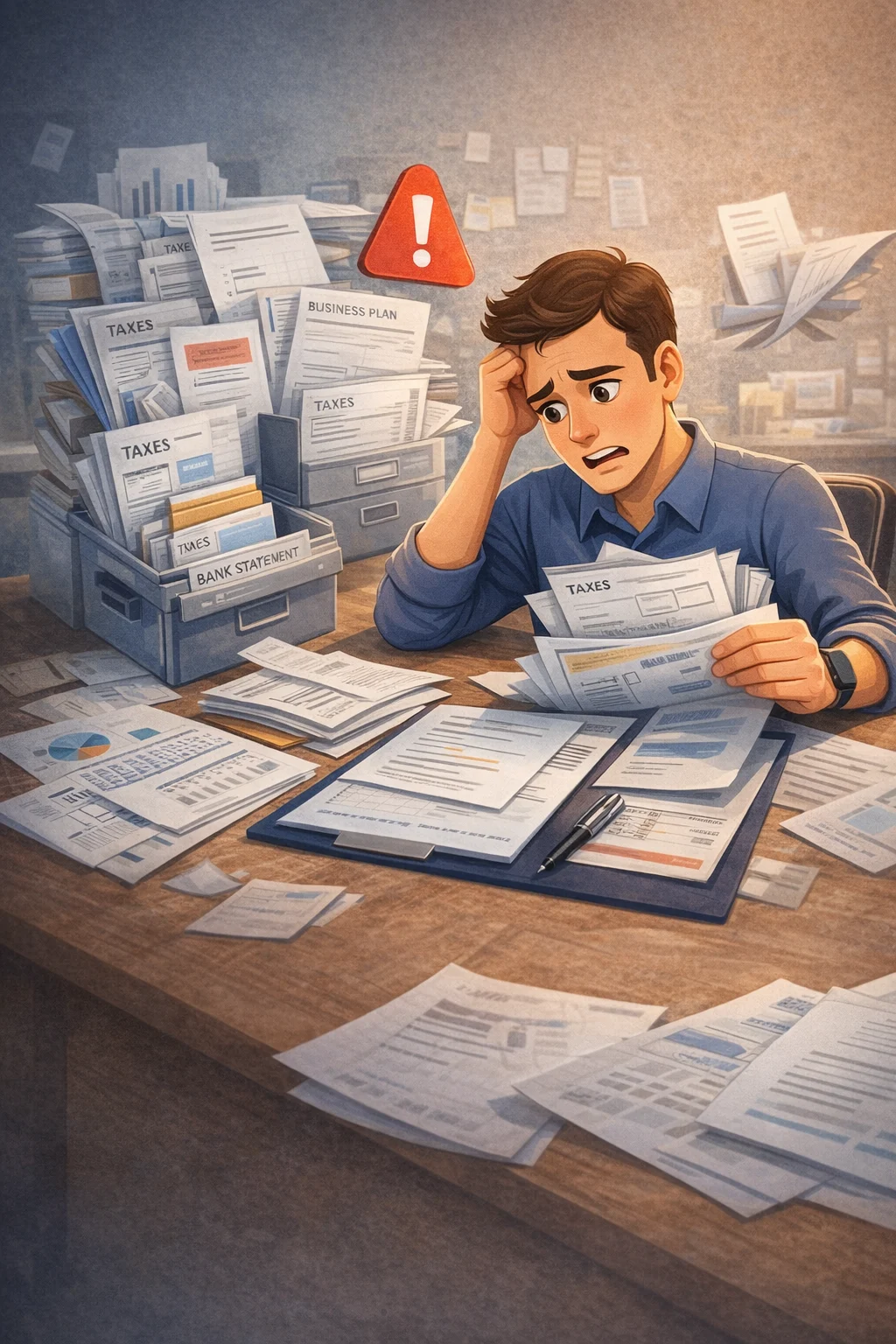
3. Missing or Incomplete Documents
This is one of the fastest ways to get rejected.
Most SBA loan applications require:
- Tax returns
- Financial statements
- Business plan
Bank statements
If anything is missing, your application may not even move forward.
How to fix it:
- Prepare all documents before applying
- Double check everything
- Keep files organized
4. No Clear Reason for the Loan
Lenders always ask, why do you need this loan?
If your answer is unclear, they hesitate.
Saying “for growth” is too vague.
How to fix it:
Be specific.
- Hiring employees
- Buying equipment
- Expanding your business
- Managing daily expenses
A clear purpose makes your application stronger.


5. Applying Before You Are Ready
Many business owners apply too early.
They know they need money, but they are not fully prepared.
This leads to rejection.
How to fix it:
- Check your eligibility first
- Fix weak areas
Apply only when everything is ready
Waiting a little can save you from rejection.
6. Too Much Existing Debt
If your business already has high debt, lenders get cautious.
They look at your ability to handle more payments.
If it looks risky, they may decline.
How to fix it:
- Reduce unnecessary debt
- Improve cash flow
- Show stable income
Lower risk increases approval chances.


7. Choosing the Wrong Loan Type
Not all SBA loans are the same.
If you apply for the wrong one, it may not fit your situation.
This can lead to rejection.
How to fix it:
- Understand the different SBA loan options.
- Choose the one that matches your needs
This step is often ignored.
8. Weak or Unclear Business Plan
Your business plan tells lenders how you will use the money.
If it is unclear, they hesitate.
How to fix it:
- Keep it simple
- Explain how the money will help your business
- Show how you will earn and repay
It does not need to be perfect. It just needs to make sense.


9. Lack of Preparation
This is the real reason behind most SBA loan rejections.
People apply without checking everything.
They hope for approval instead of preparing for it.
How to fix it:
- Review your full profile
- Check credit, documents, and financials
- Fix gaps before applying
Preparation is what separates approval from rejection.
Examples
Example 1
A business got rejected due to low credit score. After improving it slightly, they got approved.
Example 2
Another business was denied because documents were missing. Once fixed, approval came quickly.
Example 3
One owner applied too early and got rejected. After preparing properly, they succeeded.
These situations happen all the time.
Conclusion
- SBA loan rejection is common, but it is usually not permanent.
- In most cases, the problem is not your business. It is the application.
- If you fix your credit, organize your documents, and prepare properly, your chances improve a lot.
- If you prepare properly, the process becomes smooth and your chances improve.
If you have been rejected or are planning to apply, take a step back first.Check your eligibility, fix weak areas, and prepare everything before applying again.
This simple step can save you time and increase your approval chances.
